
Darts
Still the cleanest pub game of the lot. A quick 301 leg gives regulars enough skill expression while staying readable for anyone who has never thrown before.
Pub Games Guide
Good pub games do not need much equipment. They need the right tempo, a few clear rules, and enough character to pull a table from the second pint into the third without making the room feel forced.
Why it still works
The best pub games create conversation first and competition second. A short darts leg, a quick domino hand, or a cribbage board on the edge of the table gives people something to do between rounds while still leaving enough room for food, music, and actual talk.
That is why traditional pub games have lasted so well in Irish and British-style rooms. They are cheap to run, simple to learn, and flexible enough for different moods, from a two-person catch-up to a loud six-top that wants a bit more energy after dinner.
For a bar like The Irishman, the strongest formats are the ones that reward regulars without shutting out first-timers. A game should be readable in two minutes, finish before the next order lands, and leave people wanting one more round instead of one more rules explanation.
Slot games
Traditional pubs have long mixed table games with casual reel play, and that crossover still matters. If you enjoy the slot side of pub culture as much as the social side, this Book of dead review is a useful starting point for understanding one of the best-known modern slot titles, its free-spin mechanic, and why players keep returning to it.
That slot-game angle works best when it stays complementary. Darts and cards keep the table engaged in the room; slots give players a different pace when they want a shorter, lower-friction kind of entertainment before heading back to the bar or the next round.
Classic formats
Each one is easy to stage, easy to explain, and strong enough to give a public house some rhythm without turning the night into organised entertainment.
Still the cleanest pub game of the lot. A quick 301 leg gives regulars enough skill expression while staying readable for anyone who has never thrown before.
Perfect for quieter tables and slower service windows. Dominoes bring a nice old-pub feel because they are tactile, social, and easy to pause between drinks.
A proper classic for regulars who like a little more depth. With a small board and a deck of cards, cribbage gives a table a repeat reason to settle in for longer.
Low setup, high turnover, and ideal for mixed groups. Short trivia cards work especially well during happy hour or between the bigger programmed event nights.
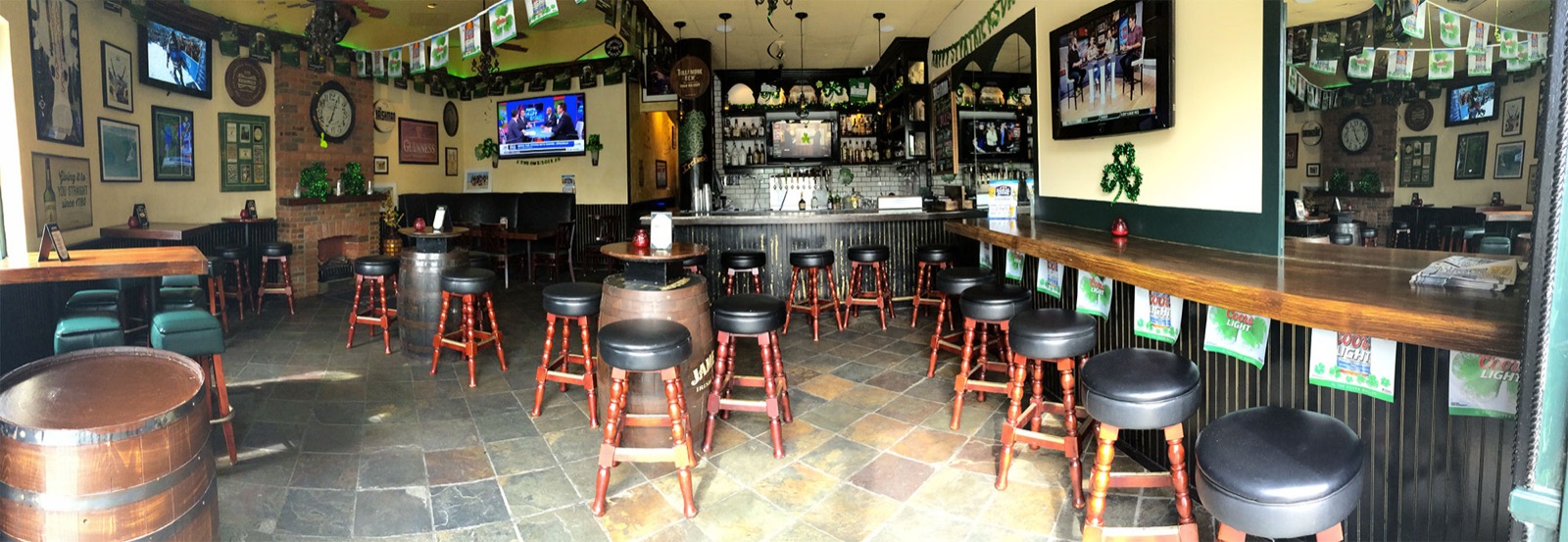
How to host it
The easiest mistake is over-programming the room. Traditional pub games land best when they feel available rather than mandatory. Give people a board, a deck, or a dart lane, then let the table decide how serious the round becomes.
Quick answers
Darts is usually the strongest all-round option because the equipment is familiar, the rules scale from casual to competitive, and one short leg fits naturally into a drinks-led visit.
Dominoes, cribbage, and quiz cards all work well on compact tables because they leave space for glasses, shared plates, and the general flow of service.
They do, as long as they stay complementary. Skill games help build atmosphere in the room, while slots appeal to players who prefer fast solo play with a lower social barrier.
One or two dependable nights a week is usually enough. That keeps the calendar active without making the room feel over-managed on the other five days.
Next stop
Keep the games simple, the pours steady, and the tables flexible. That is still the best formula for a pub people come back to.